
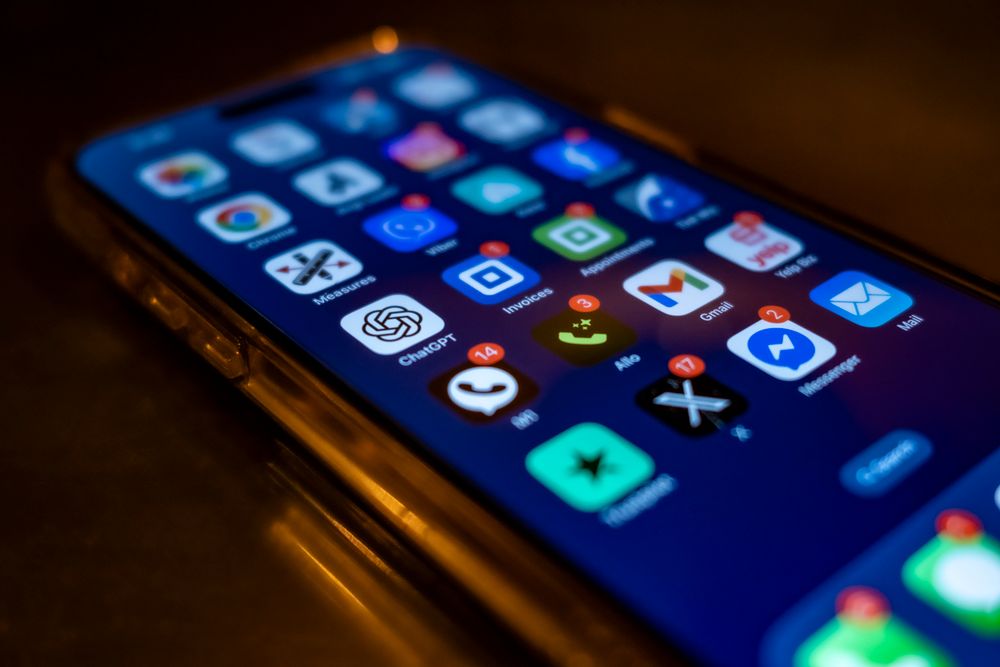
Notifications, Bonuses and FOMO: How to Stay in Control of Your Screen Time
Mobile applications compete constantly for attention. Notifications, limited-time bonuses and reminders are designed to bring users back, even when they were not planning to open the app.
A digital gaming solution may use notifications to inform users about activity, updates or promotions. The same applies to services available through https://indwin-india.com/indwin7/, where users should decide which alerts are genuinely useful and which simply increase screen time.
Why Notifications Are Effective
Notifications interrupt whatever the user is doing. A sound, vibration or icon creates a small sense of urgency and encourages immediate checking.
What Is FOMO?
FOMO means fear of missing out. In digital entertainment, it can be triggered by messages such as limited-time event, bonus expires soon, last chance, friends are active or reward waiting. These messages make users feel that delaying will cause them to lose something.
Scarcity Creates Pressure
When an offer appears temporary, people may decide faster. This is a normal psychological response. However, urgency can reduce careful thinking.
Bonuses Can Change Behaviour
A bonus may feel like free value. But users should still check:
- conditions;
- time limits;
- spending requirements;
- restrictions.
A promotional reward should not justify spending more than planned.
Push Notifications Are Optional
Users can usually control alerts through app settings, Android settings, Do Not Disturb and notification categories. Not every notification deserves permission.
Keep Only Important Alerts
Useful notifications may include security events, transaction updates, account changes and important support messages. Promotional alerts can often be disabled.
Scheduled Notification Checks
Instead of responding immediately, users can check apps at chosen times such as lunch break, after work or in the evening. This reduces constant interruption.
Use Do Not Disturb
Do Not Disturb modes are useful during work, study, meetings, sleep and family time. Important contacts can usually remain allowed.
Turn Off Lock-Screen Previews
Even silent notifications can attract attention when visible on the lock screen. Users can hide previews or disable certain categories.
Bonuses Should Not Control Spending
Real-money entertainment requires strict limits. Adults should never increase a budget because a bonus appears. A promotion does not remove financial risk.
Set a Time Limit Before Opening the App
Decide the session length in advance. Examples include 15 minutes, one round or one break. A timer can help enforce the decision.
Use Screen-Time Reports
Android devices can show time per app, number of unlocks, notifications received and daily trends. This information can reveal whether an app is consuming more attention than expected.
Avoid Late-Night Alerts
Notifications close to bedtime can disrupt sleep. Useful steps include quiet hours, bedtime mode, keeping the phone away from bed and disabling promotional alerts.
Remove Apps That Create Too Much Pressure
If an application constantly pulls attention away from work or sleep, uninstalling it may be simpler than relying on willpower.
Understand the Difference Between Choice and Habit
A healthy digital routine starts with one question: did I open this app because I wanted to, or because a notification told me to? That distinction is important.
Digital Wellbeing Is About Control
Screen time is not automatically negative. The goal is to ensure that digital entertainment remains compatible with work, sleep, relationships, finances and other interests.
Conclusion
Notifications and bonuses are powerful because they create urgency and encourage repeated checking. FOMO can make users feel that they need to act immediately, even when the activity was not planned. The best response is not necessarily to stop using digital entertainment, but to control how it reaches you. By limiting notifications, setting session times and ignoring artificial urgency, users can enjoy mobile entertainment without allowing it to control their attention.